The Minneapolis Sculpture Garden stands as one of the most celebrated outdoor art destinations in the United States. Home to the iconic Spoonbridge and Cherry sculpture and dozens of other remarkable works, this green urban oasis offers visitors a chance to experience world-class contemporary art in a beautiful park setting. Whether you're an art enthusiast, a family looking for a unique outing, or someone seeking inspiration, the sculpture garden delivers an unforgettable experience that's completely free and open to everyone.
TLDR
- The Minneapolis Sculpture Garden is the largest urban sculpture garden in the country, featuring over 40 works of contemporary art
- Home to the iconic Spoonbridge and Cherry fountain, one of the most photographed sculptures in the world
- Open daily year-round with free admission, located adjacent to the Walker Art Center in downtown Minneapolis
- The garden underwent a major renovation and reopened in 2017 with enhanced landscaping and accessibility features
Ready to Explore Minneapolis?
After a day of exploring world-class art and culture, retreat to a spacious Roami rental where you'll have room to relax and recharge. Our Minneapolis properties offer the perfect home base for your Twin Cities adventure. Book your Minneapolis stay with Roami and experience the city like a local.
What Is the Minneapolis Sculpture Garden?
The Minneapolis Sculpture Garden is a crown jewel of Minnesota's cultural landscape, offering visitors a unique blend of art, nature, and urban design. This outdoor museum showcases more than 40 sculptures from the Walker Art Center's permanent collection, creating a dynamic space where contemporary art meets public recreation.
The Largest Urban Sculpture Garden in the Country
Spanning 11 acres, the Minneapolis Sculpture Garden holds the distinction of being the largest urban sculpture garden in the United States. This impressive site features works by internationally renowned artists, including Claes Oldenburg, Coosje van Bruggen, Frank Gehry, and Katharina Fritsch. The garden's layout was carefully designed to create intimate viewing experiences while maintaining open sightlines that connect visitors to the surrounding cityscape.
A Partnership Between the Walker Art Center and Minneapolis Park Board
The sculpture garden exists through a unique partnership between the Walker Art Center and the Minneapolis Park Board, demonstrating how cultural institutions and public recreation entities can collaborate to create something extraordinary. This coordination ensures that the garden operates seamlessly as both an art venue and a public park space. The Minneapolis Park Board manages the grounds and green spaces, while the Walker oversees the art collection and programming, creating a unified experience for all visitors of all ages.
The Iconic Spoonbridge and Cherry
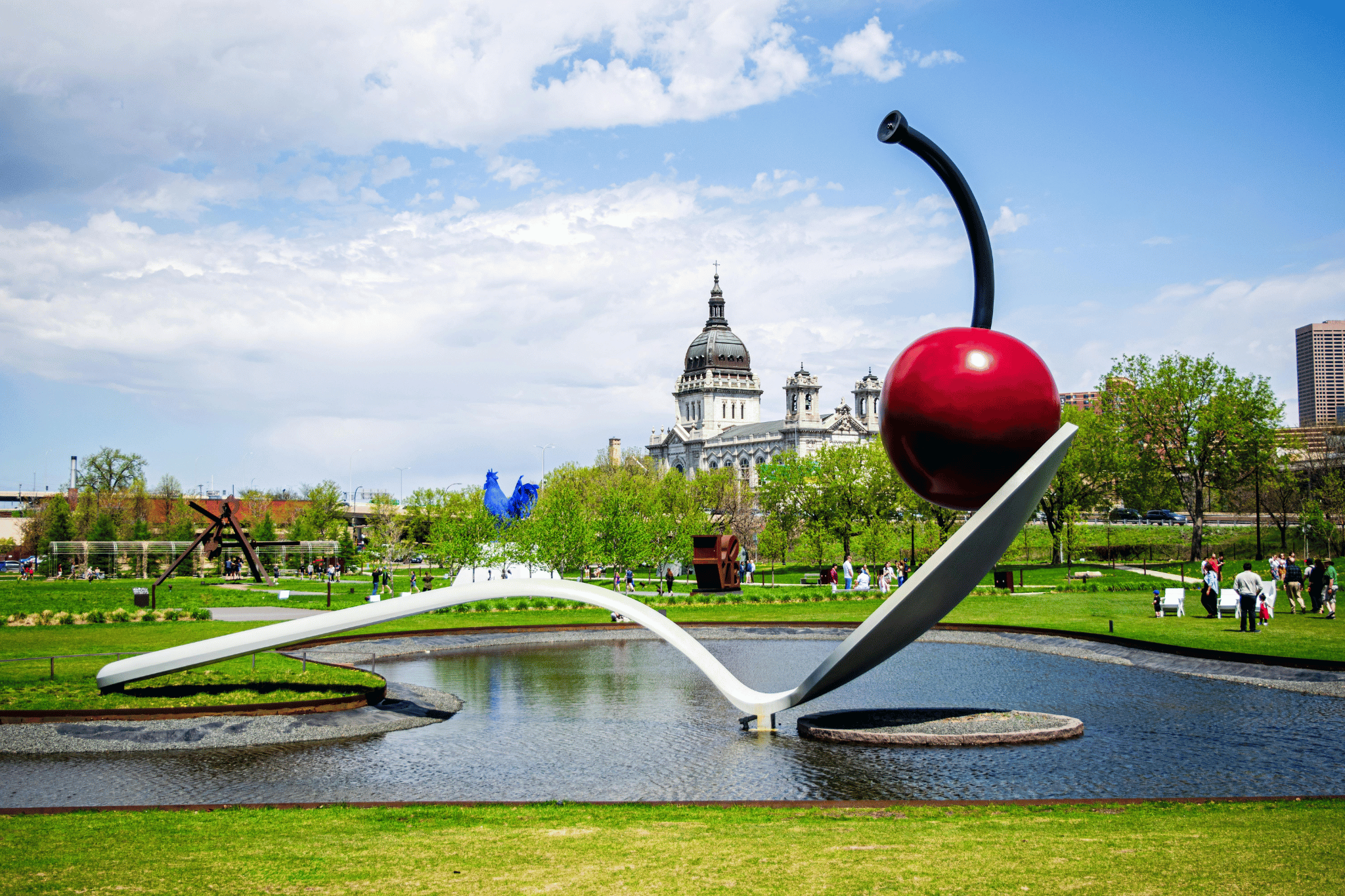
No visit to the Minneapolis Sculpture Garden would be complete without seeing the iconic Spoonbridge and Cherry sculpture. Created by artists Claes Oldenburg and Coosje van Bruggen, this whimsical 29-foot-tall fountain has become one of the most recognizable landmarks in Minnesota. The massive aluminum spoon cradles a bright red cherry, which functions as a fountain that sprays water into the spoon's bowl. Installed when the Minneapolis Sculpture Garden opened in 1988, this playful work of art perfectly captures the garden's mission to make contemporary art accessible and engaging for everyone.
Exploring Contemporary Art at the Garden
The Minneapolis Sculpture Garden serves as an outdoor gallery for the Walker Art Center's sculpture collection, offering visitors the opportunity to experience contemporary art in a natural setting.
Notable Works and Artists
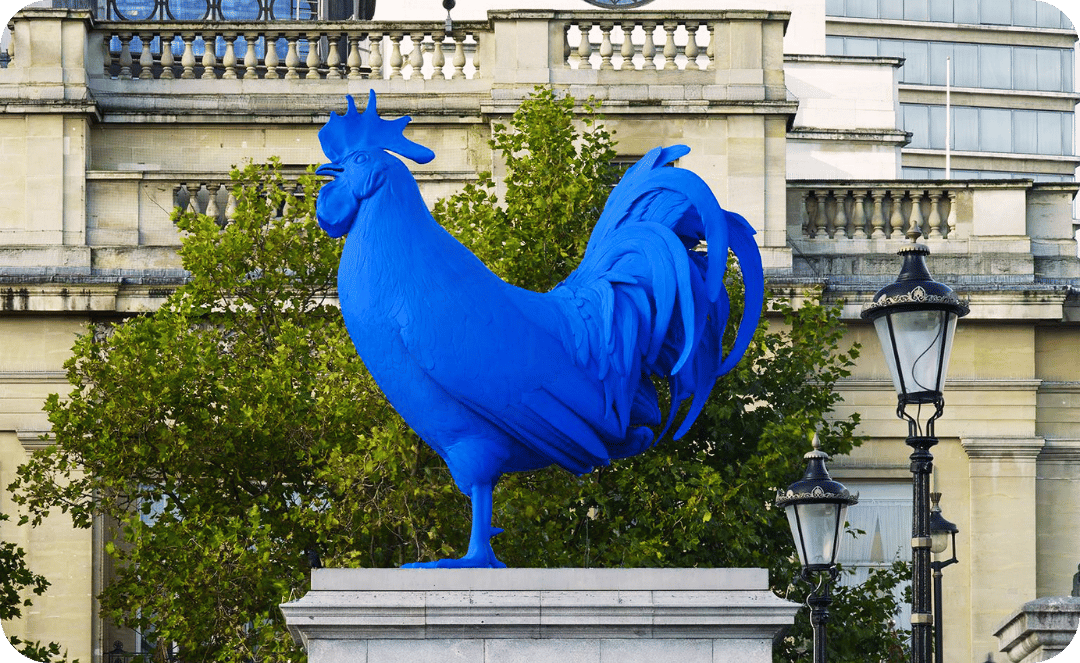
Beyond the famous Spoonbridge and Cherry, the garden features an impressive array of sculptures that represent diverse artistic perspectives and styles. Visitors can encounter Katharina Fritsch's giant blue rooster, "Hahn/Cock," standing four stories tall, and Frank Gehry's "Standing Glass Fish," which showcases the architect's experimental approach to form. The collection includes works that range from abstract geometric forms to figurative pieces, ensuring that every visit offers new discoveries.
How the Collection Evolved
The sculpture garden's collection has grown and evolved since it first welcomed millions of visitors beginning in 1988. The Walker Art Center carefully curates which works are displayed in the garden, rotating pieces from its broader collection and occasionally adding new acquisitions. This thoughtful approach keeps the garden fresh for repeat visitors while maintaining a core group of beloved sculptures that have become Minneapolis landmarks.

Planning Your Visit to the Minneapolis Sculpture Garden
Whether you're a local resident or planning a perfect destination for a quick getaway, the Minneapolis Sculpture Garden is remarkably easy to visit and enjoy.
Location and Hours
The sculpture garden is located at Vineland Place, directly adjacent to the Walker Art Center in the heart of downtown Minneapolis. This central location makes it easily accessible whether you're staying nearby or exploring the city's various neighborhoods.
The Garden Is Open Daily Year-Round
One of the most appealing aspects of the sculpture garden is its accessibility. The garden is open daily from 6 AM to midnight, allowing visitors to experience the artworks in different lighting conditions and seasonal settings. Admission is always free, making it an ideal destination for families, art lovers, and anyone looking to enjoy a beautiful outdoor space without the cost.
Best Times to Visit
Each season offers a distinct experience at the Minneapolis Sculpture Garden. Summer brings lush greenery and active fountain displays, while fall transforms the landscape with brilliant foliage. Winter creates a striking contrast as sculptures emerge from snow-covered grounds, and spring offers renewal as gardens begin to bloom. For those planning a three-day visit to Minneapolis, the sculpture garden makes an excellent starting point for exploring the city's cultural offerings.
What to See Near the Sculpture Garden
The sculpture garden's downtown Minneapolis location places it within easy reach of numerous other attractions, making it simple to build a full day of exploration.
The Walker Art Center
Connected directly to the sculpture garden, the Walker Art Center is one of the premier contemporary art museums in the United States. The Walker's galleries feature rotating exhibitions, performance art, film screenings, and a renowned permanent collection. Many visitors combine their garden visit with time inside the Walker to experience the full breadth of contemporary art on offer.
Downtown Minneapolis Attractions
The garden's central location means you're just minutes from downtown Minneapolis's vibrant dining scene, shopping districts, and entertainment venues. The area offers everything from intimate cafes to upscale restaurants, giving visitors plenty of options for extending their cultural outing into a full day of urban exploration.
Vineland Place and the Surrounding Area
The neighborhood surrounding Vineland Place has developed into a walkable cultural district. Beyond the Walker and the sculpture garden, visitors will find the Guthrie Theater, the Minneapolis Institute of Art, and numerous independent galleries within easy walking or short driving distance.
The 2015 Renovation and Reopening
In 2015, the Minneapolis Sculpture Garden closed for an extensive renovation that would transform the beloved space while honoring its original vision. The project addressed infrastructure needs, improved accessibility, and enhanced the landscape design to better showcase the artworks. After nearly two years of work, the garden reopened in summer 2017 to tremendous excitement. The renovation added new pathways, upgraded the iconic Spoonbridge and Cherry fountain's water collection tank system, and introduced additional plantings that create beautiful backdrops for the sculptures throughout the seasons. This thoughtful redesign has ensured that the garden will continue to serve as a world-class art destination for generations to come.
Frequently Asked Questions
Who manages the Minneapolis Sculpture Garden?
The garden operates through a collaborative partnership between the Walker Art Center and the Minneapolis Recreation Board. This unified approach combines the Walker's expertise in contemporary art curation with the park board's experience in maintaining public green spaces, creating a seamless experience for all visitors.
Is the Minneapolis Sculpture Garden free to visit?
Yes, the Minneapolis Sculpture Garden is completely free and open to the public daily from 6 AM to midnight. There are no admission fees, making it an accessible cultural destination for everyone.
How long does it take to see the entire sculpture garden?
Most visitors spend 30 minutes to an hour exploring the garden, though art enthusiasts often linger longer. The size and layout of the area allow for both quick visits and extended contemplation of the artworks.
Can I visit the sculpture garden in winter?
Absolutely. The garden is open year-round, and winter visits offer a unique perspective as sculptures stand against snow-covered landscapes. The contrasts created by Minnesota's winter weather provide dramatic photo opportunities and a different aesthetic experience.
What is the Armory building near the sculpture garden?
The Minneapolis Armory is a historic events venue located in downtown Minneapolis near the sculpture garden area. While separate from the garden itself, it's part of the broader cultural landscape of the neighborhood.
How has the sculpture garden welcomed millions of visitors over the years?
Since opening in 1988, the Minneapolis Sculpture Garden has become one of Minnesota's most visited attractions. The combination of free admission, central location, world-class art, and beautiful park setting has made it a beloved destination for locals and tourists alike, with the garden welcoming millions of visitors over its decades of operation.

.png)